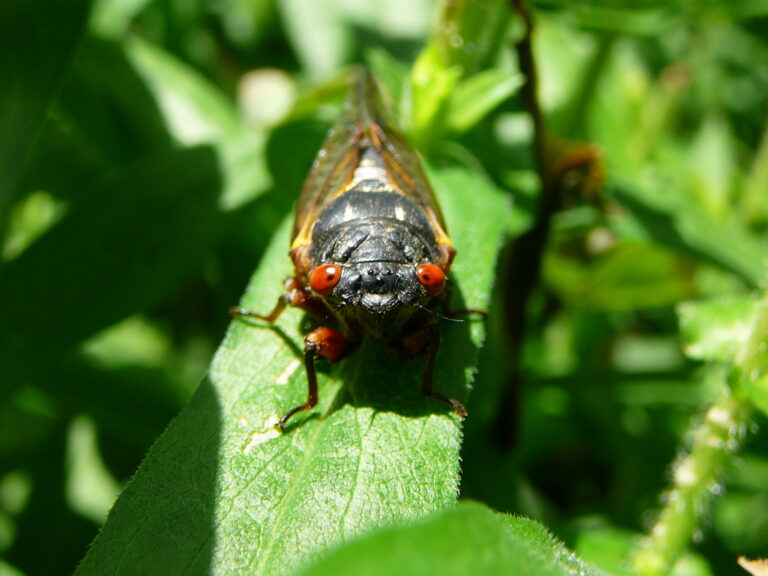
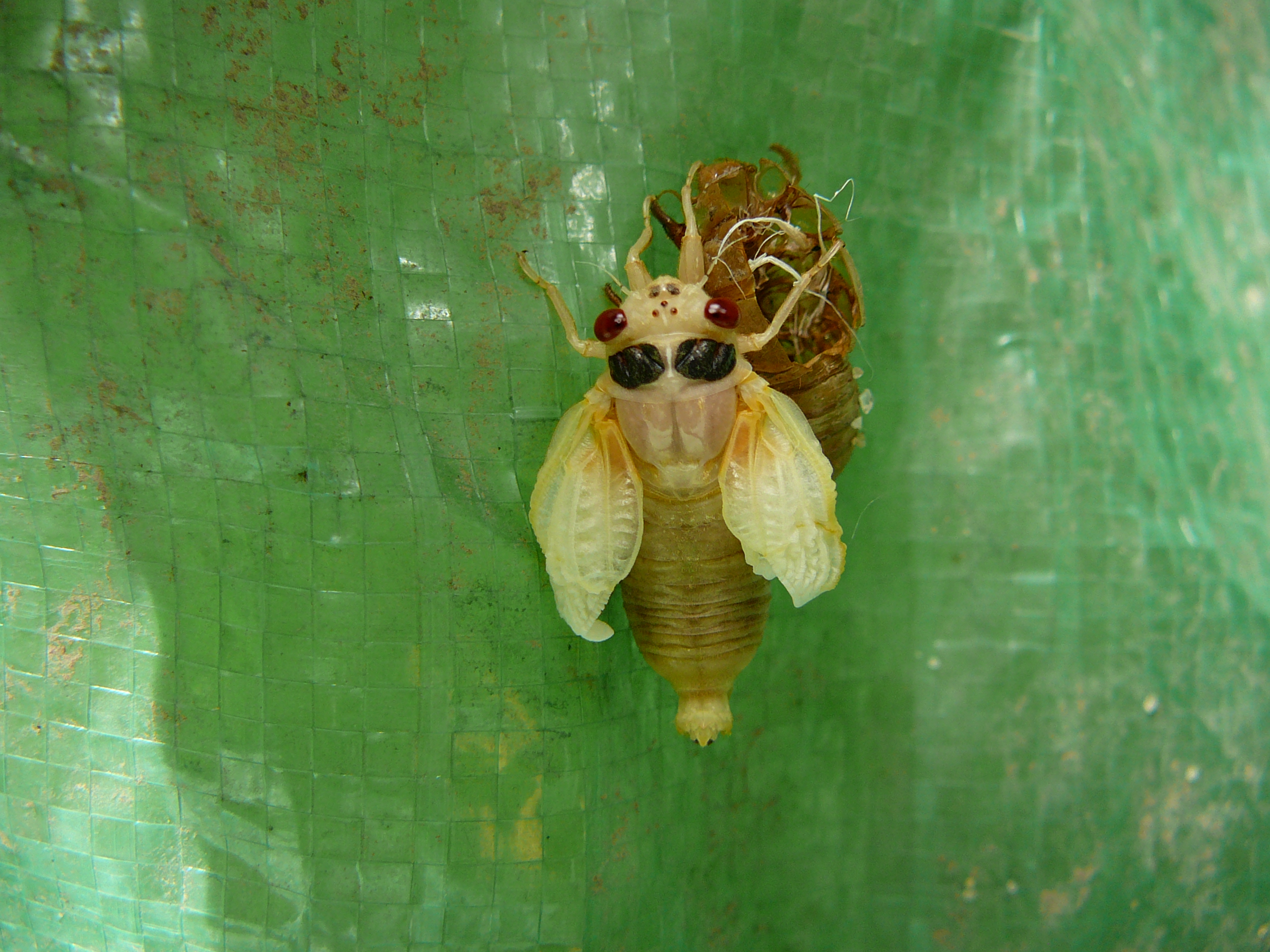
I was four years old when I first met the 17-year Cicadas in northeast Illinois. We lived in the woods, and that late spring and early summer, the cicadas were all over them—chaotic, cacophonic, mesmerizing! Their gossamer wings and beady red eyes were a somewhat scary fascination, and I loved them. I carried them in my pockets and cared for them in leafed shoeboxes, only to have them delightfully let loose in the house.
I missed their return at ages 21 and 38, living elsewhere. At age 55, I was back at the place of my birth in the Oaks to help care for my mother. While living there again, I was honored and awed to reconnect with the great-great-great grandchildren of that tribal community I met when I was just four years old.
But I call them Earth Historians, the Wisdom Keepers
I remember our last encounter in 2007 as if it were yesterday. Their ceremonial song began as a low hum on the horizon. Daily, the hypnotic buzz grew louder and closer. I could hardly contain my excitement as I eagerly awaited the reunion with my long-lost kin.
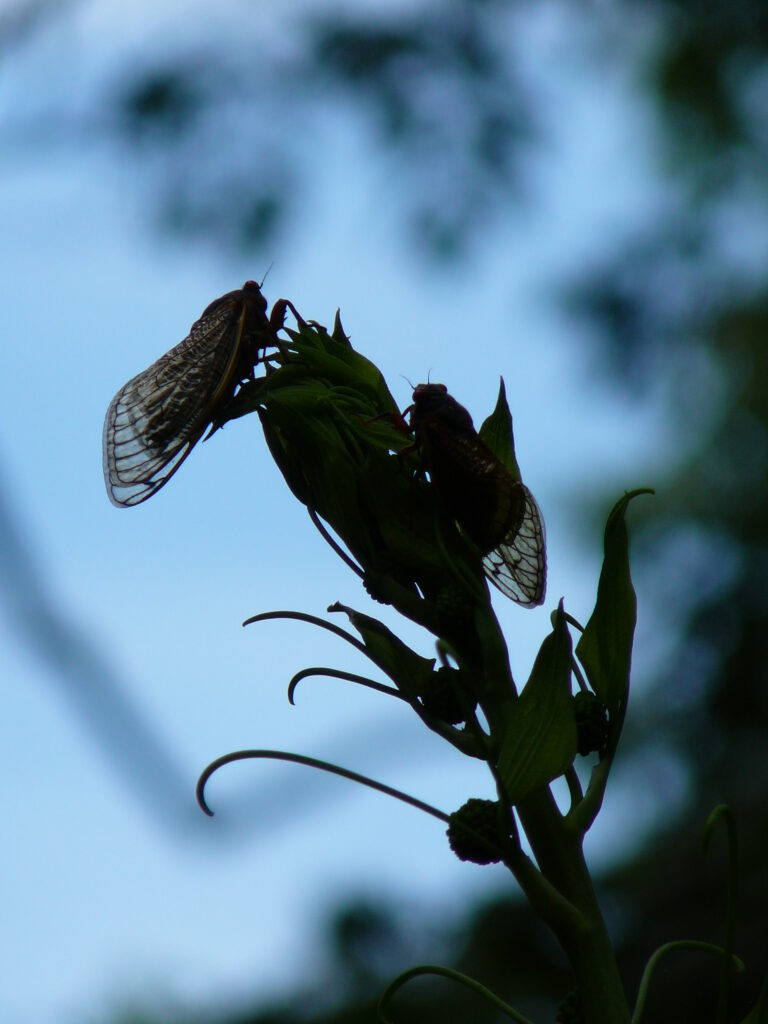
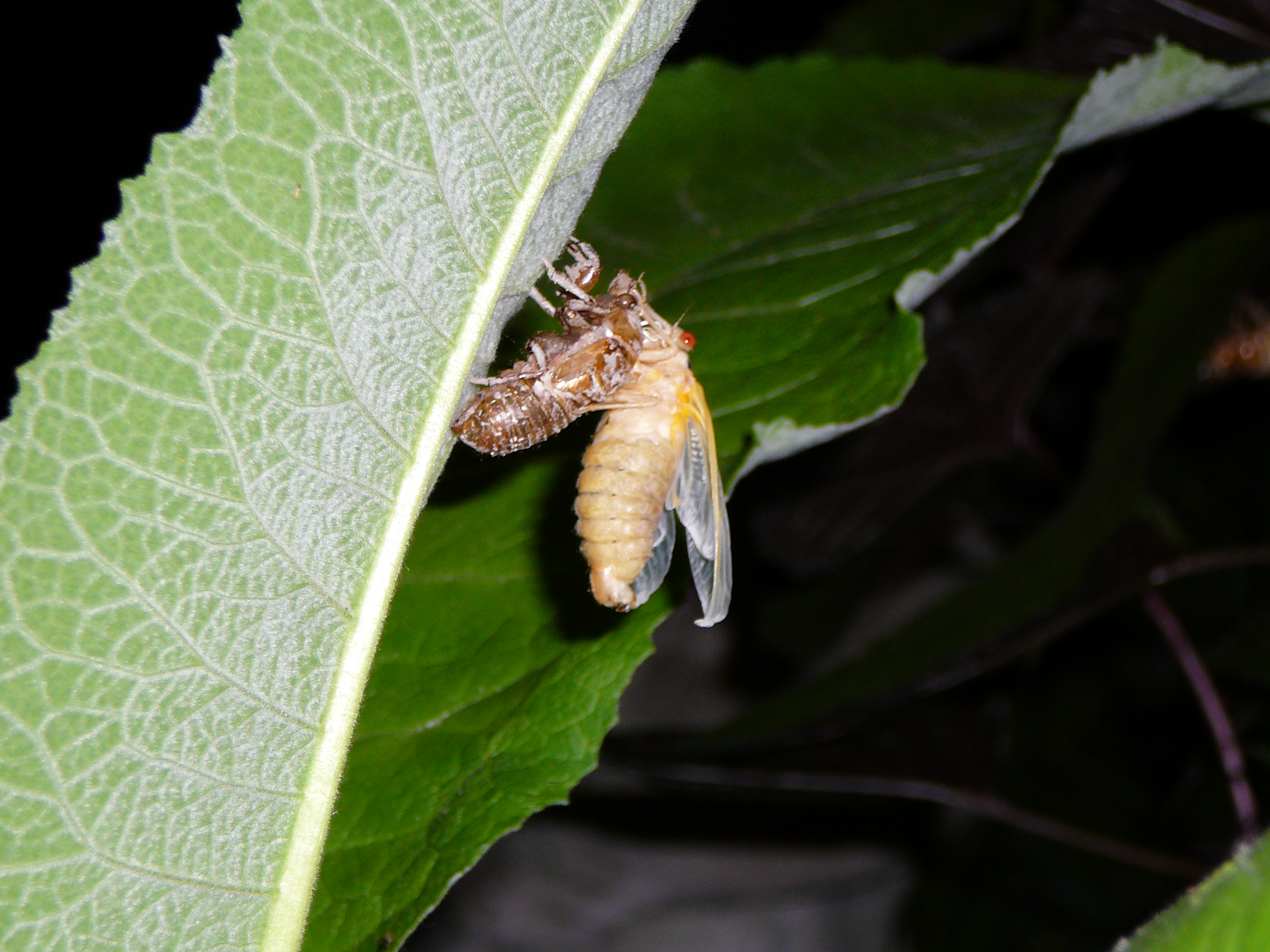
Over three long weeks, the increasing crescendo finally exploded into a deafening frenzy of celebration! Everything in the woods vibrated with their hoarse, pulsated whirring. I tried to absorb every part of their mysterious short lives: The ghostly nymphs crawling up trees, breaking through their shells at night into tiny, white, wet young cicadas – taking the whole day to stretch out, morph from white to iridescent colors, then fly off looking for their brief amorous encounter.
They were everywhere, millions of them! Standing in the woods, in their midst, was like being in the center of a cicada tornado – a cicnado? I was hypnotized as if standing in a great Tibetan singing bowl with Earth’s heavenly harmonics vibrating within and around me. Walking as carefully as I could, I was still unable to avoid stepping on them as they carpeted the ground – with them dive-bombing into my head as they furiously flew in chaotic patterns. For me, it was a joyous reunion.
I was saddened as, over a few short weeks, their activities slowed, the buzzing quieted, and then a deep echoing silence…..all that was left were dried-up bodies clinging to tree trunks next to their fragile nymph shells from which they had emerged.
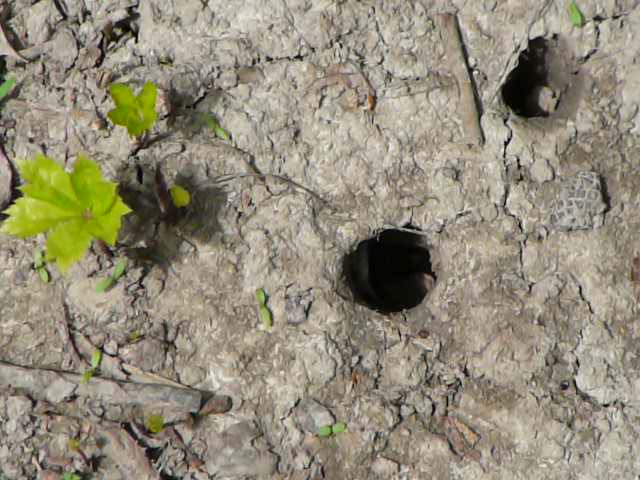
However, that was not all that was left. Mysteriously, some weeks later, minute new, teeny tiny, nearly invisible nymphs hatched from their eggs in the trees and floated to the Earth by the millions like a gentle dust shower. There, they burrowed deep into their hobbit holes, invisible for the next 17 years.
I believe they are historians of the Earth, Wisdom Keepers. I suspect that, after their long hibernation, they emerge, look around, and take note of what has transpired since last they came uptop. Then, they go back underground to counsel about our human activities for the next couple of decades, determining the fate of our species.
Since 2007, my own life has moved on as well, having sold and moved from my birthplace in the Illinois oak and hickory woods. But my anticipation of the 17-year Cicada return is no less electric now as it was at age 55 or 4. In just a few short weeks, I will make a sacred pilgrimage back to Plum Creek to greet and be with some of my oldest friends and mentors, camp amidst their frenzy, and dance among them in joy!
And perhaps, just maybe, I might be privy to some of their ancient underground stories.
2024: A very special year for two unique cycles of nature—a solar eclipse and the great Cicada return! Although most of Brood XIII will emerge in Illinois and Indiana, small parts of southern Michigan will also experience an emergence. I urge you to take another “once in a lifetime opportunity” this late May to mid-June to introduce you and your family to these ancient Elders of the Earth.