Cultivating Community Conservation Champions: The Impact of the MSUE Conservation Stewards Program in Newaygo County

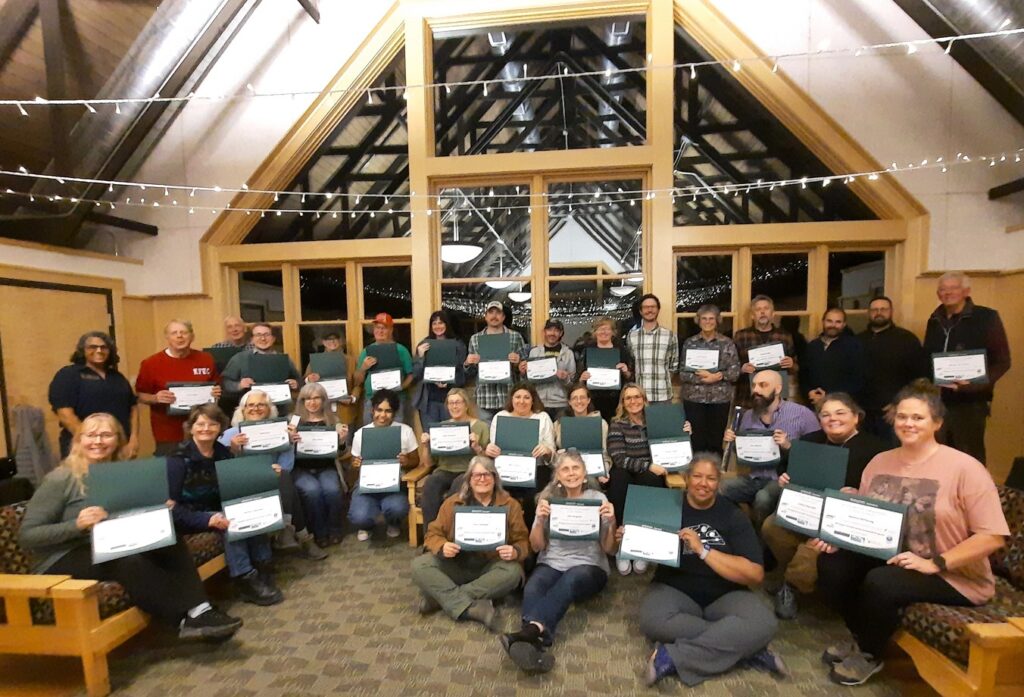
NCCS 2024 Participants hold up their program completion certificates at the final class.

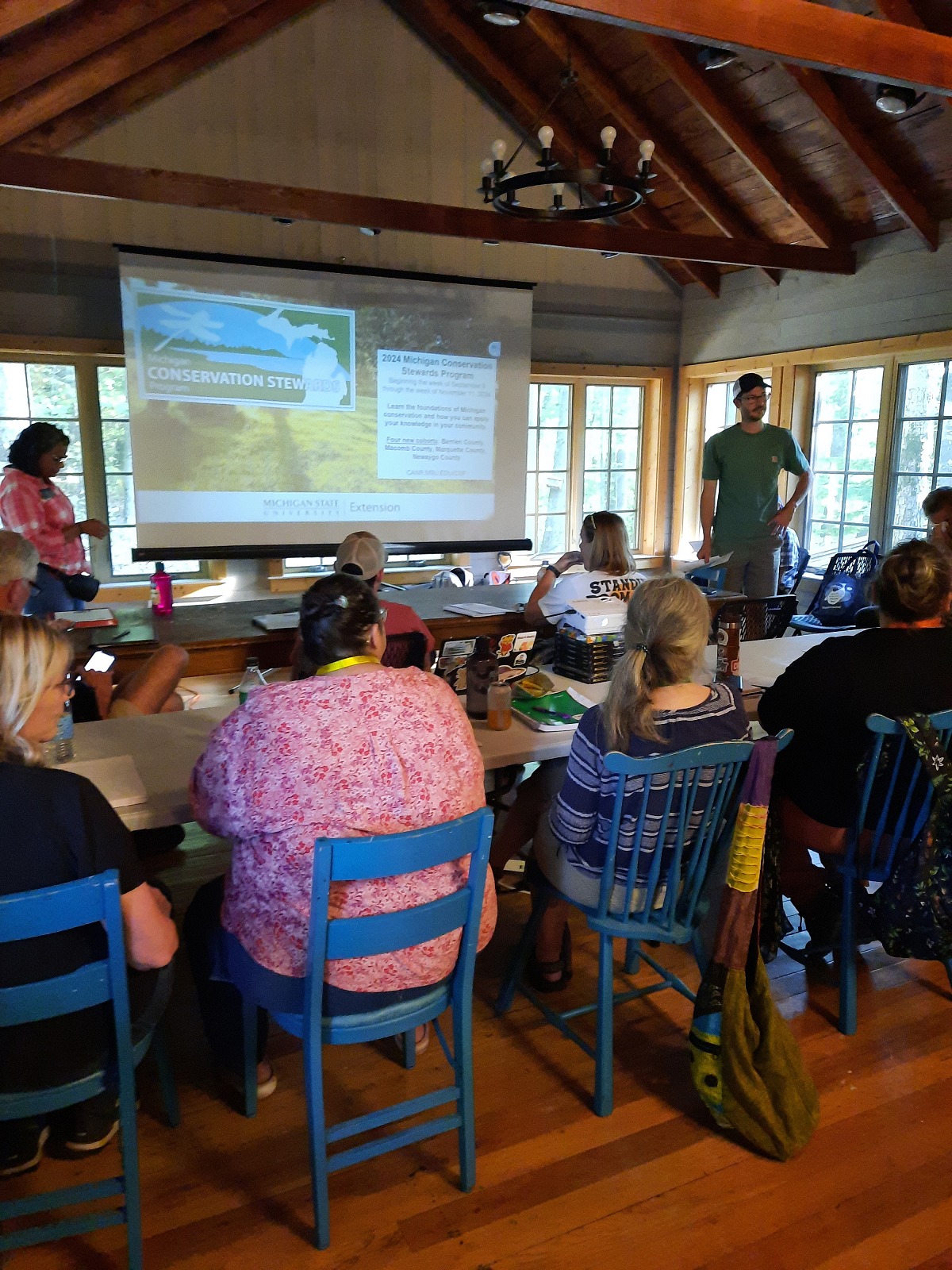
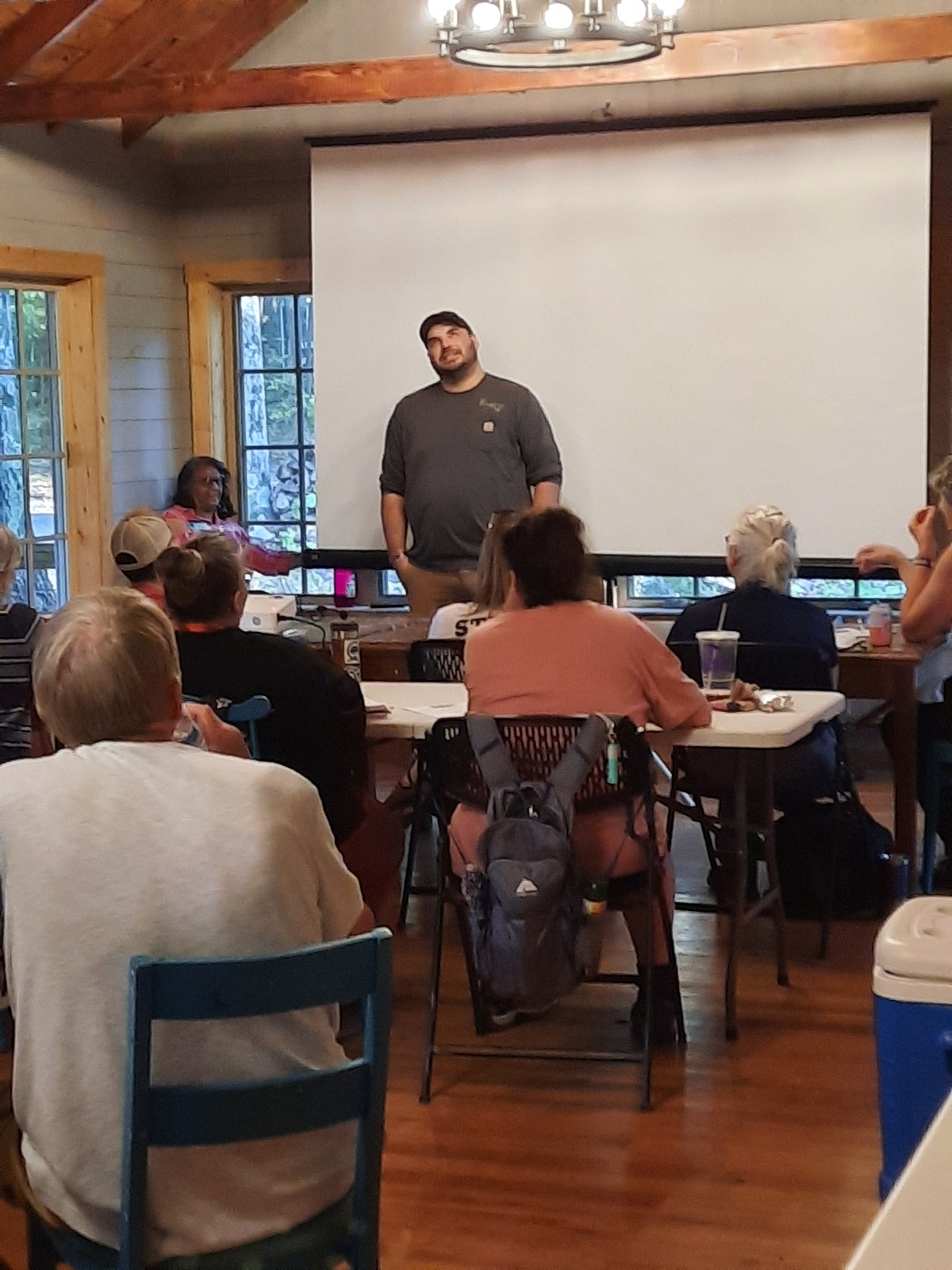
The energy in the room was tangible at the Camp Newaygo Lodge. At the final session of the  MSU Extension Services (MSUE) Conservation Stewards program, a cohort of over thirty freshly accredited Conservation Stewards milled about, discussing their passions and ideas for their final capstone projects. 


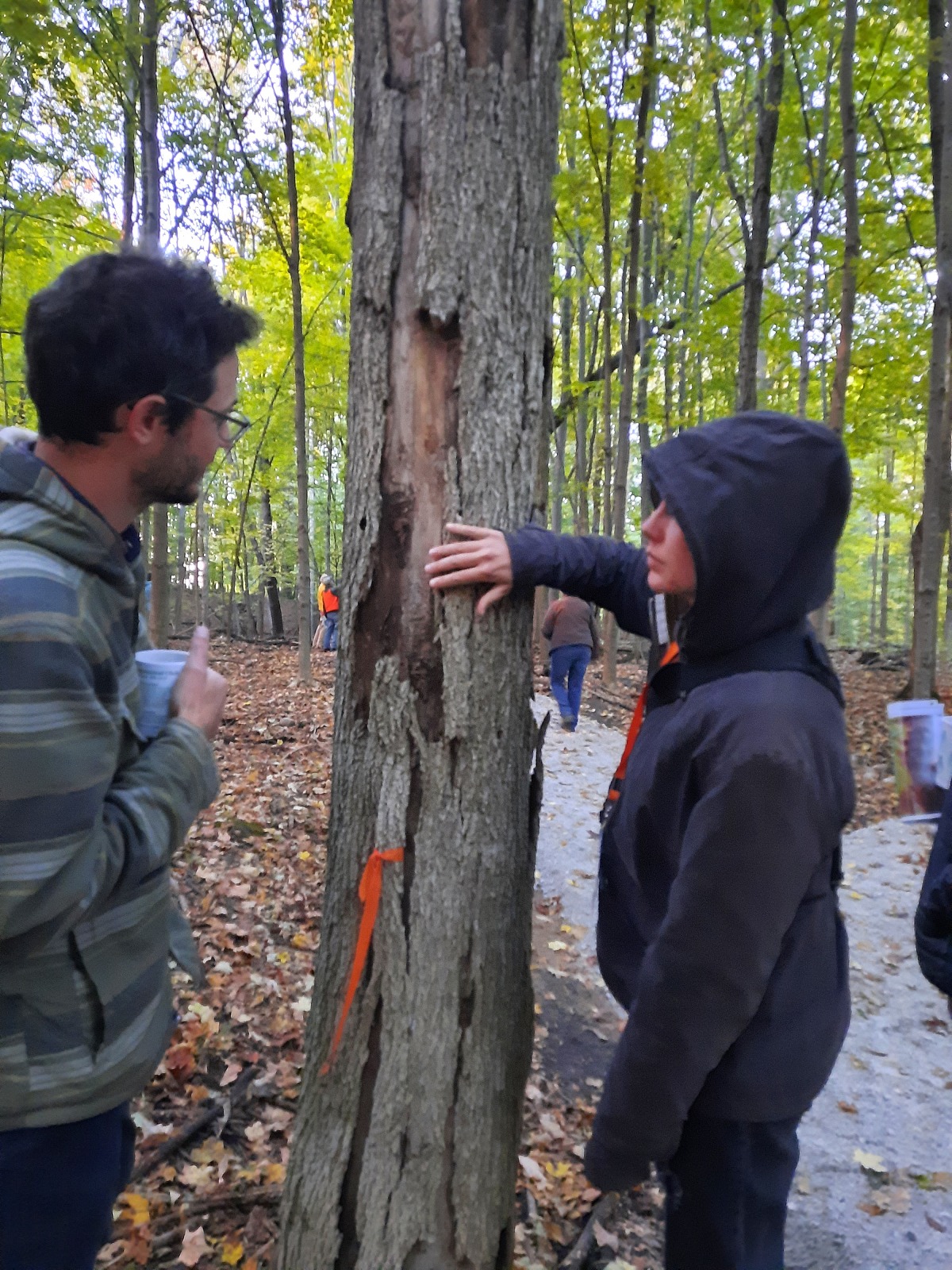
After ten weeks of in-depth online and in-person training, students were eager to volunteer their services caring for the public and private natural spaces that were precious to them. Capstone plans include work in parks, nature sanctuaries, churches, and city and county lands. Some students chose education as their Capstone. Watch for social media posts, signage, and educational brochures popping up around the area, all of which will help get the word out about environmental best practices to community members.


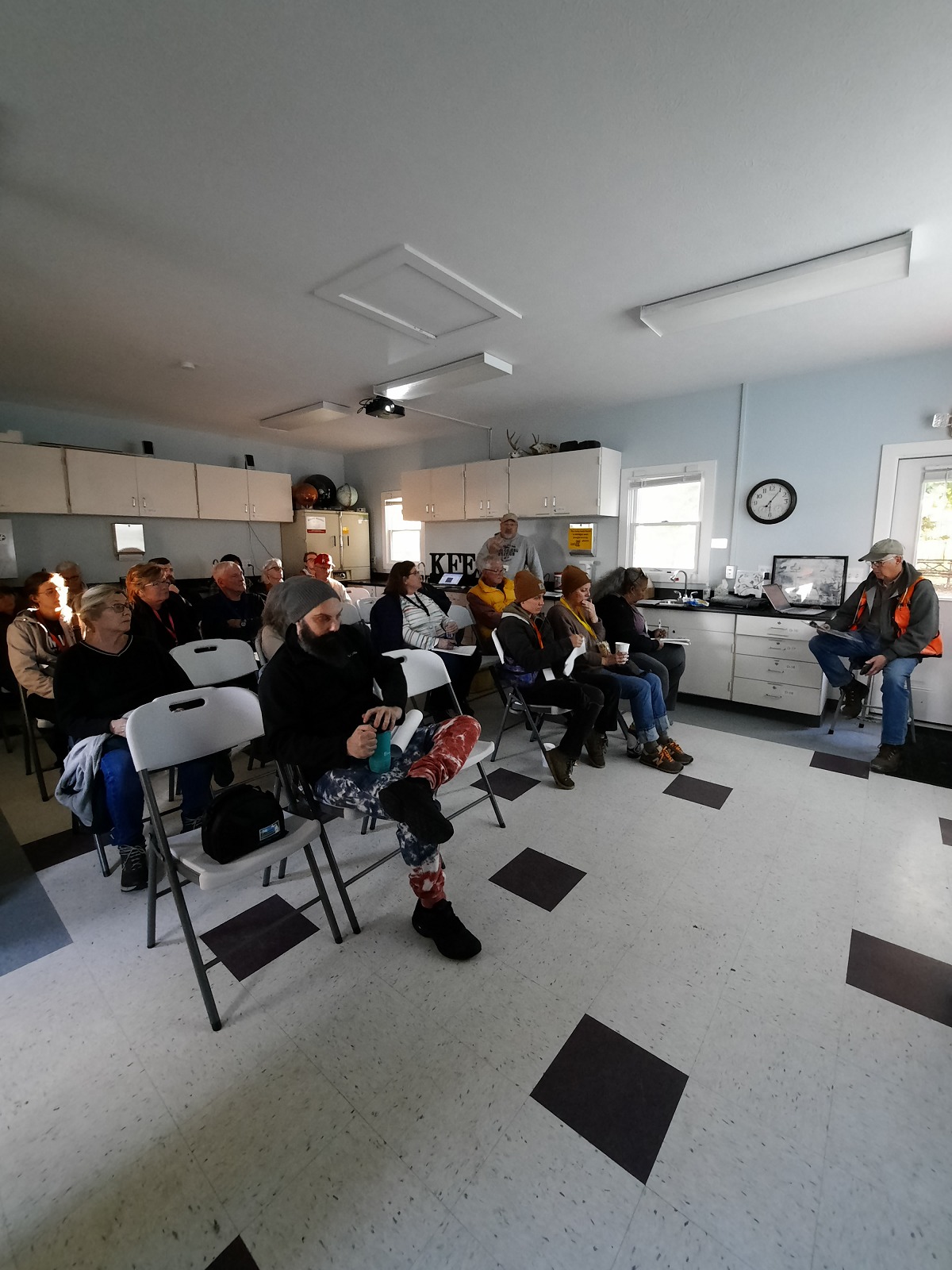
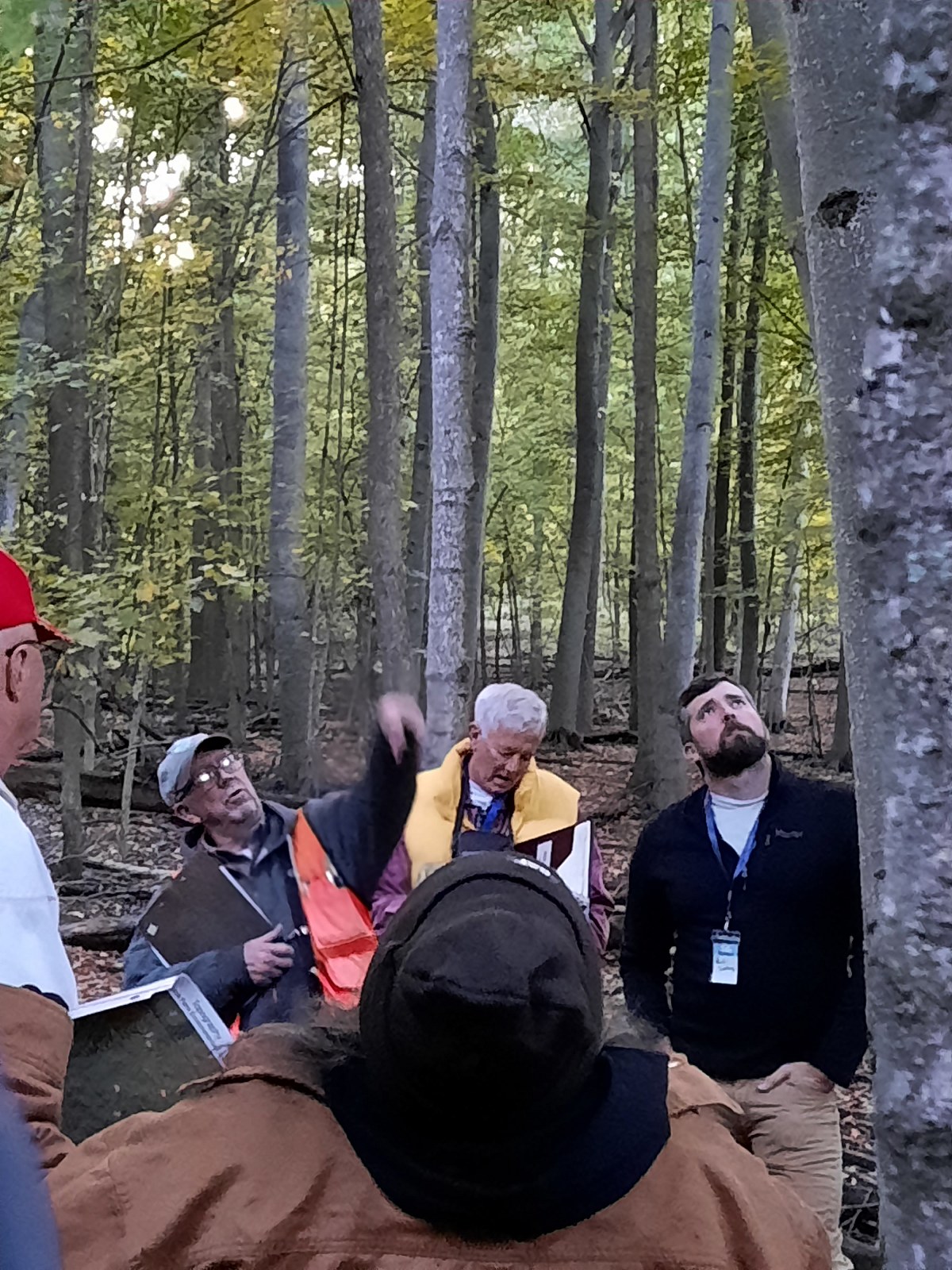
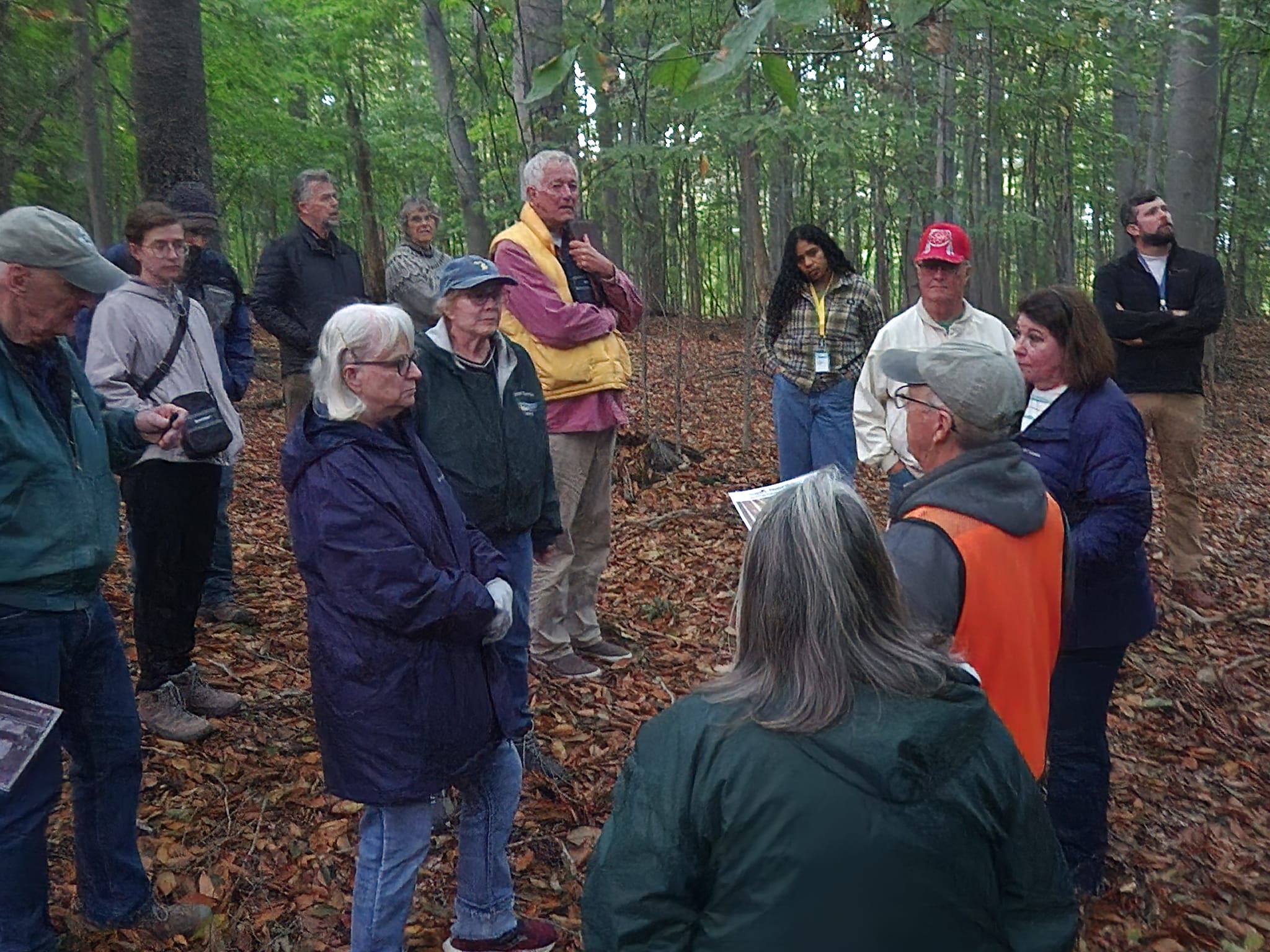
The Conservation Stewards program creates a learning opportunity for those interested in science-based ecosystem management principles. Graduating students share their knowledge with others to help restore and conserve local ecosystems throughout Michigan communities. Students commit to completing the extensive coursework, which includes several weekly hours of online instruction and knowledge checks. In addition, there are ten three-hour in-person classes. The majority of the classroom time is spent with various ecosystem experts from around Michigan, including experiencing these ecosystems firsthand.

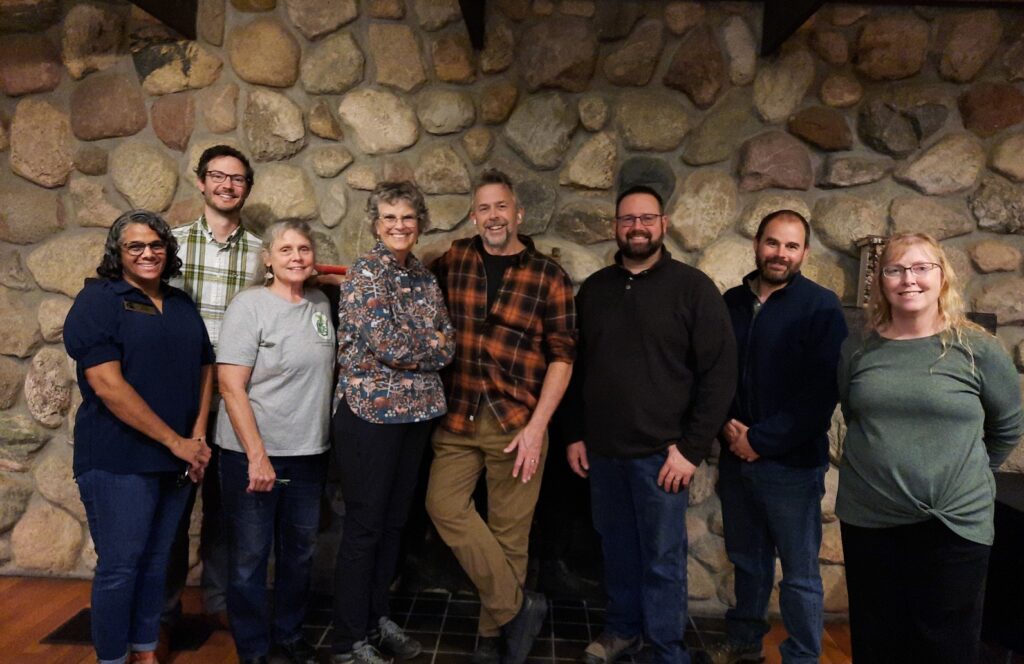
Planning Committee for 2024 Conservation Stewards Program in Newaygo County:

Bindu Bhakta, MSUE  Conservation Stewards coordinator

Eric Elgin, Water Resource Educator MSUE

Marge Manning-Peck Secretary MSUE

Sally Wagoner, Newaygo County Environmental Coalition

Frank Beaver, Natural Resources Director, Little River Band of Ottawa Indians (not pictured)

Greg Poches, Community Investment Office, Fremont Area Community Foundation

Sarah Pregitzer, Michigan Nature Association  

Randy Butters, Newaygo Invasive Plants Project

Luke Cotton, Executive Director, Newaygo Conservation District 

“Everyone wants to come to Newaygo County,” Erik Elgin, limnologist and Water Resource  Educator from MSUE, pointed out. “The natural communities here are so unique and untouched. We have unusual places and rare plant and animal species found nowhere else.”


The opportunity to bring the MSUE Conservation Stewards Program to Newaygo County for the first time took nearly a year to plan. Finding venues and speakers and arranging all the details to make each class jam-packed with great experiences and information was complex.  However, with a volunteer team of committed local partners spearheaded by Erik Elgin and assisted by Bindu Bhakta, MSUE  Conservation Stewards coordinator, the course exceeded participants’ expectations. 


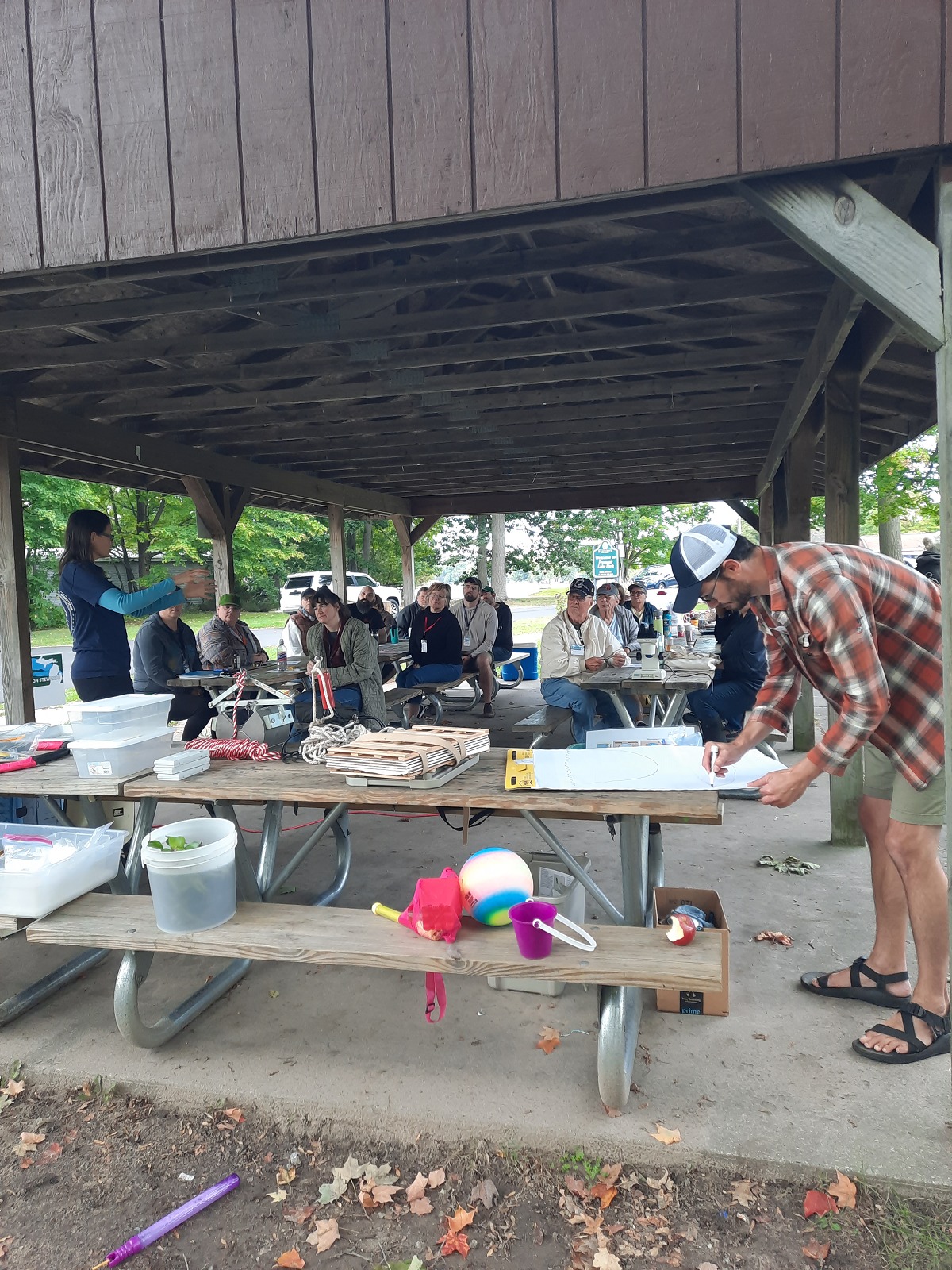
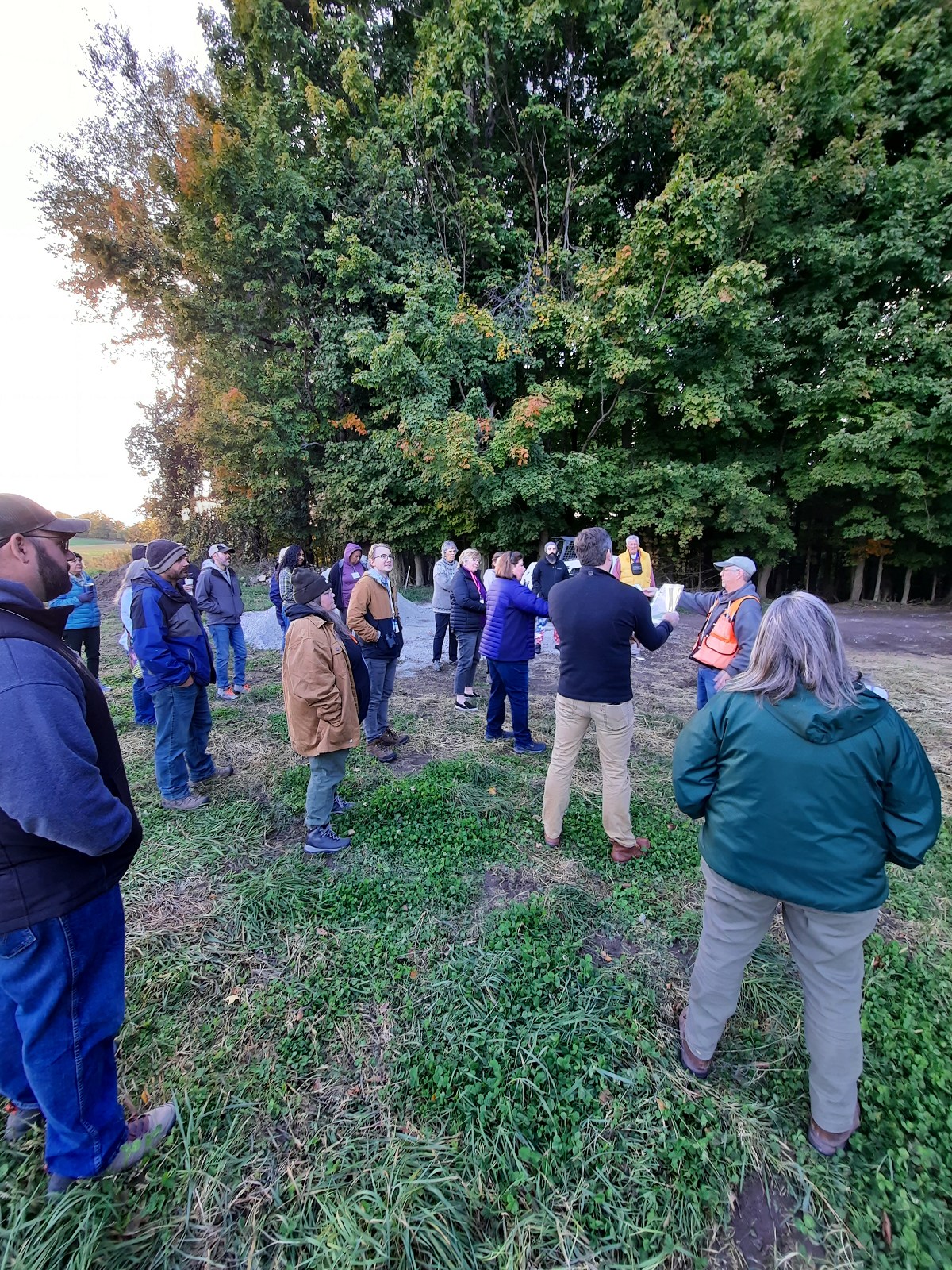
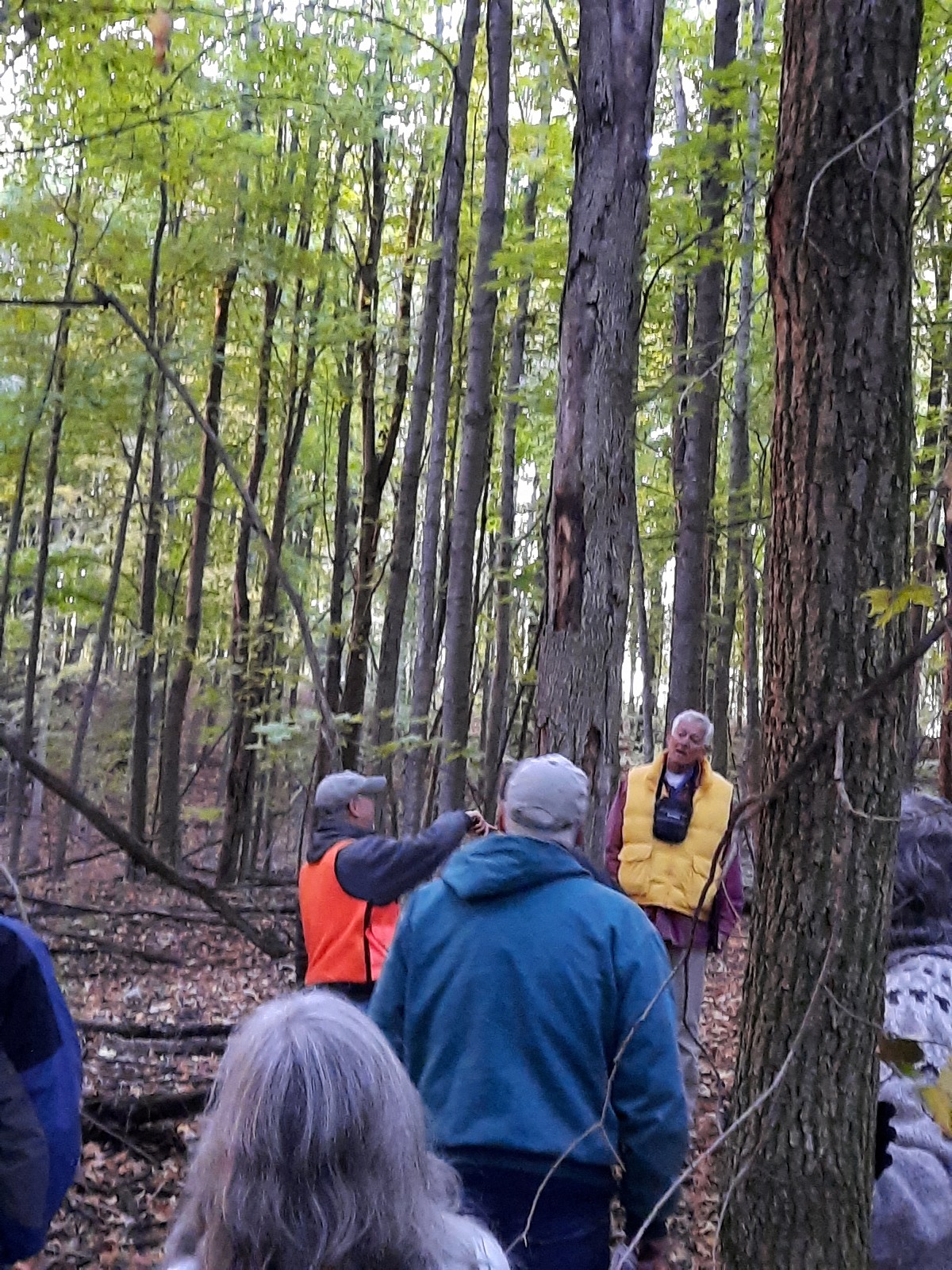
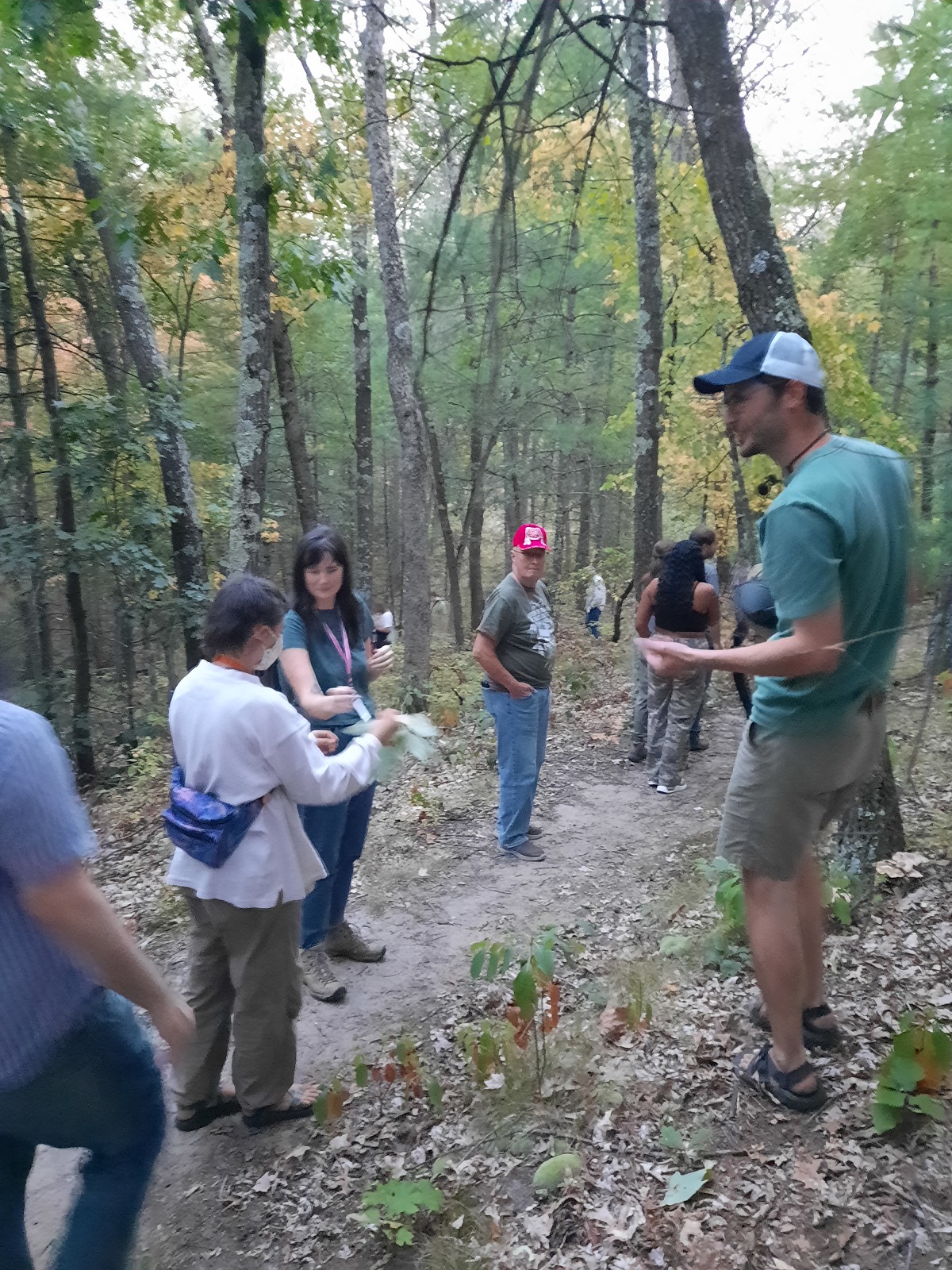
The classes met in various locations around the county, each showcasing a different type of natural community found in Newaygo County: inland lakes, rivers and streams, forests, and prairies. Each in-person class incorporated an expert-led foray into each of these ecosystems, discussing and expanding on material from the week’s online content. Students began with glacial history, human impacts on the area, the Indigenous peoples and the early settlers, and local Dust Bowl restoration practices. Did you know Newaygo County’s once vibrant prairies were farmed into sand deserts that lasted from 1865 until the 1930s?

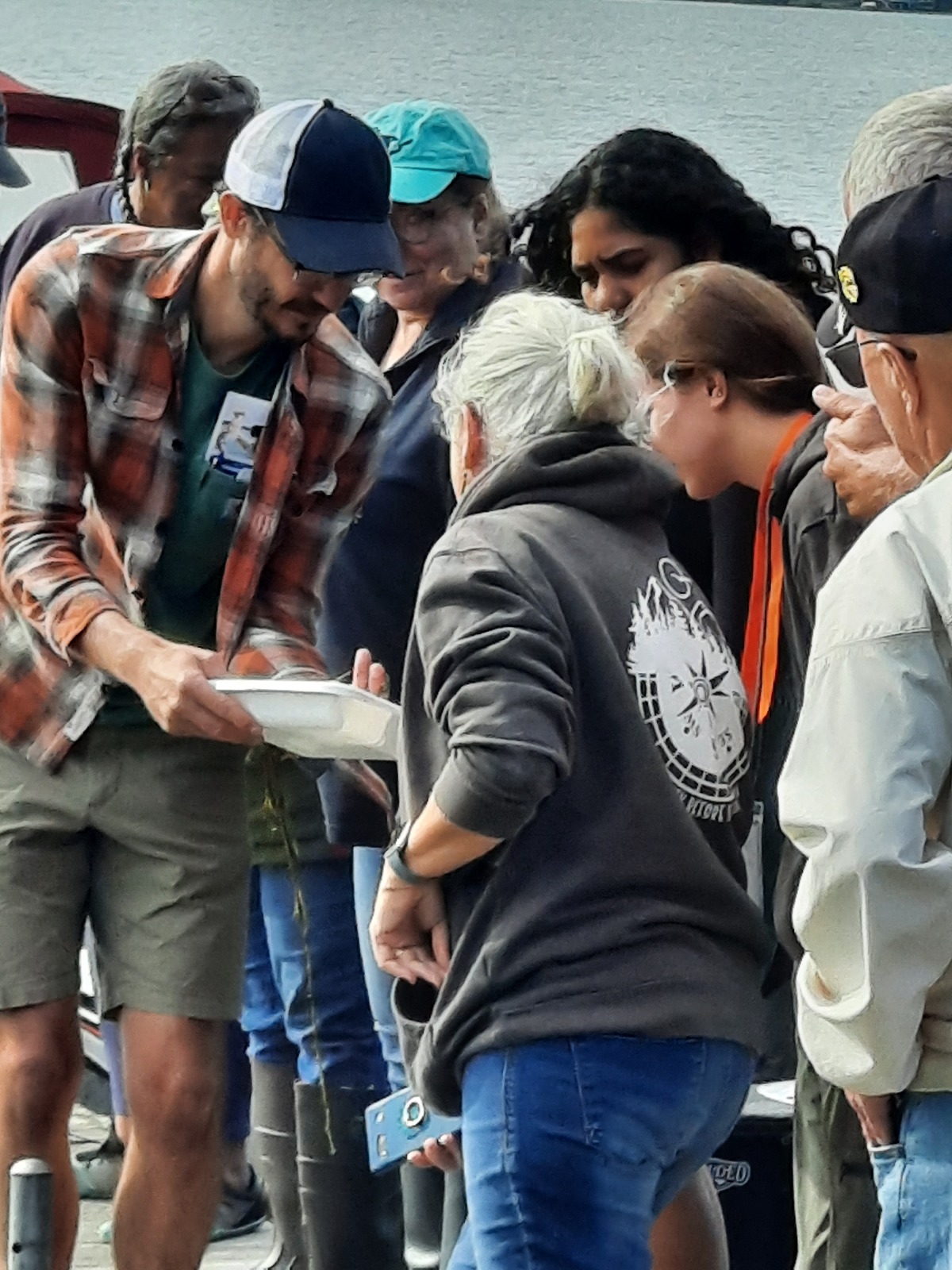
Classes then concentrated on each natural community of Newaygo County: wetlands such as bogs, fens, lakes, and rivers, as well as the various types of forests and prairies. Two Saturday on-site field trips with plenty of hands-on learning were well attended. The first field trip at Fremont Lake allowed the students to explore water quality, plant and insect populations, the history of cold water fisheries, and the lake’s environmental degradation and ongoing recovery efforts. 

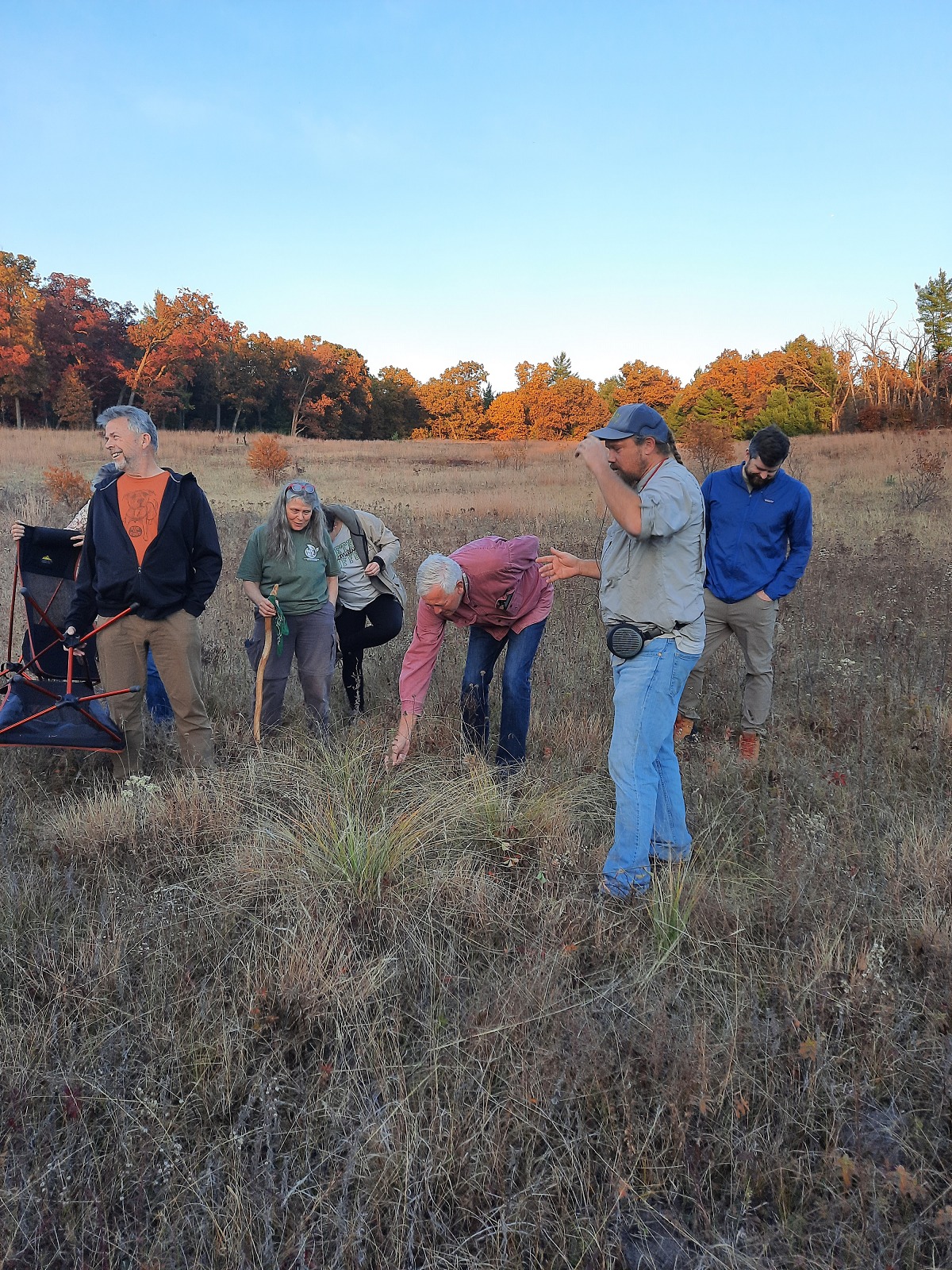
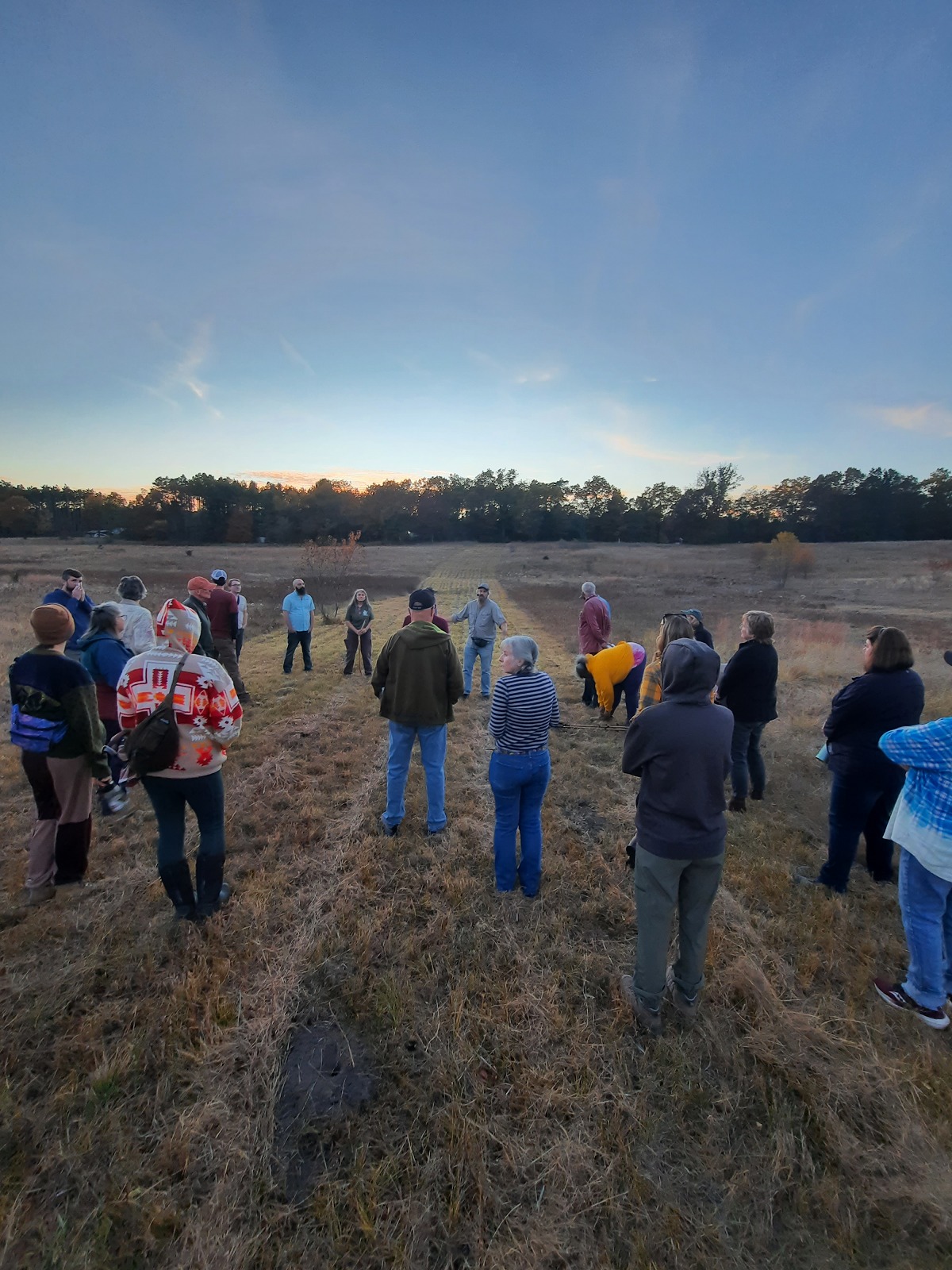
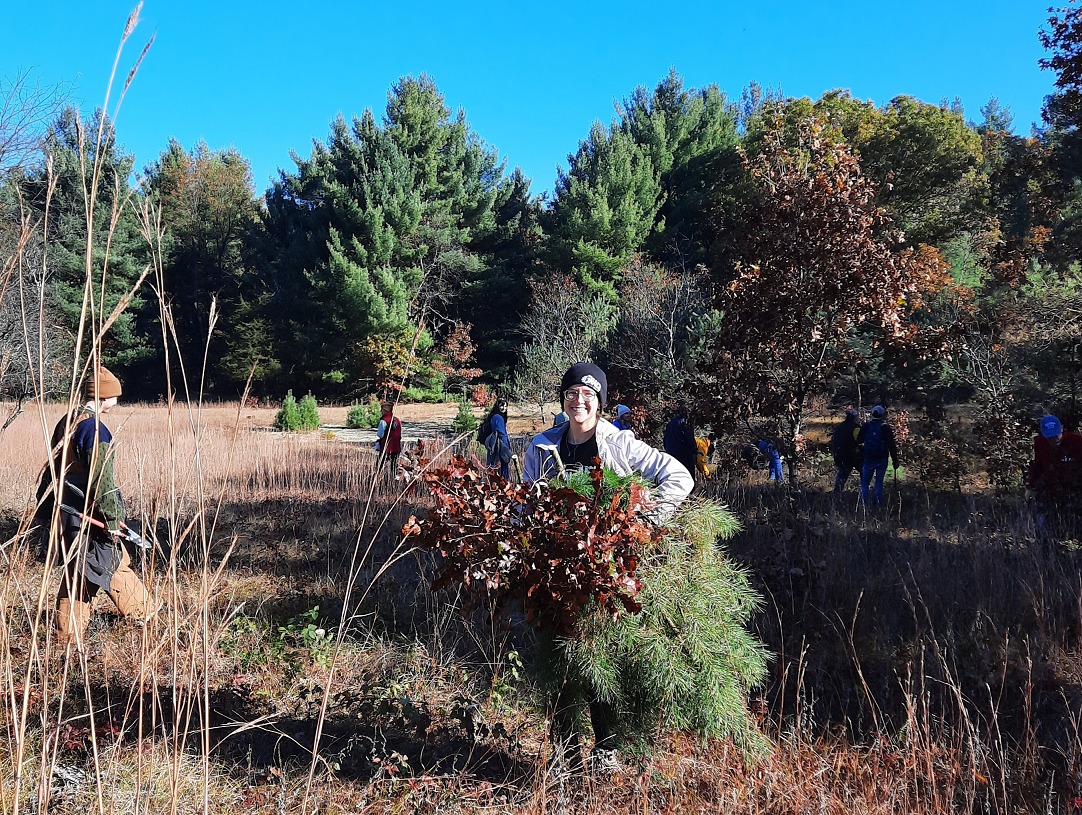
The second Saturday field trip had students hiking through the area’s prairies while discussing the creation and degradation of the Dry Sand Prairie, a globally imperiled ecosystem. The entire class experience was consciousness-raising and knowledge-rich, as students worked with the Michigan Nature Association’s stewards in prairie restoration practices at the Newaygo Prairie Nature Sanctuary.

One earnest student declared, “I just love this—I want to know it all! All the stuff!”  


The enthusiasm among the students was palpable, with many expressing a desire for the course to continue.  While this cohort has completed its formal certification, plans are in motion for alumni events and potential future classes. For those interested in joining future programs, information can be found on the MSUE website or by subscribing to the Newaygo County Environmental Coalition’s newsletter. Word has it that a possible second session offering is in the works for next year.

The Conservation Stewards program in Newaygo County is not just a training ground for environmental stewards—it is a catalyst for involving the entire community in preserving and enhancing the natural beauty of their surroundings.

Connected Resources:

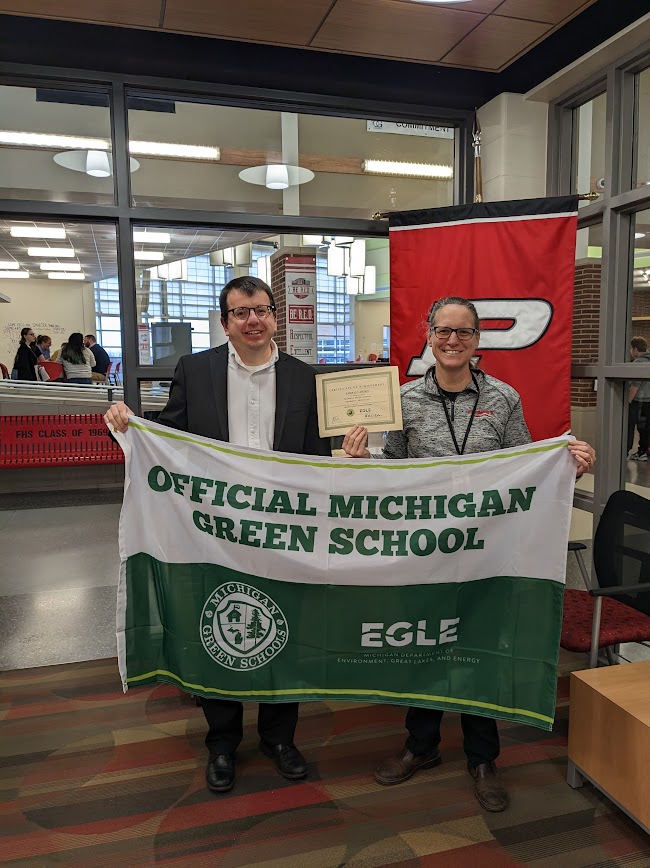
Man and woman, stand in school office holding Green and white flag and Green School Certificate.
FHS principal, Scott Sherman and orchestra teacher/GS Coordinator, Julie Anderson receive their GS Award and new flag from NCEC board member, Katie Clark.

Leave a Reply

Your email address will not be published. Required fields are marked *

Get In touch

Birds eye view of green forest meeting blue lake background. White NCEC logo and font.

(231) 519-3419

Address: 490 Quarterline St, Newaygo, MI 49337

Email buzz@nc-ec.org

More Posts:

Have a Fire-Safe Summer

“But surely a few logs of my firewood from home won’t hurt anything if I take them camping with me!!! I don’t want to buy firewood when I already have a bunch!”

It’s easy to overlook the creatures we don’t see very often. But lots of little critters feed on and live in dead wood and not just rotting wood, even dry firewood! The culprits of deadly Oak Wilt, the Emerald Ash Borer, and the invasive Asian Longhorned Beetle are just some of the critters known to hitch a ride on firewood.

Read More »

Plant THIS Not THAT

Spring is the time when we rethink our whole existing gardens. The more we understand how much wildlife, including our essential pollinators, struggle with traditional constrained lawn and manicured gardens full of exotic plants, the more we might be motivated to change things up a bit!

Read More »

Planting for Pollinators: A Conversation with Sarah Pregitzer

In preparation for the upcoming growing season, we interviewed NCEC board chair and Master Naturalist Sarah Pregitzer, who has a wealth of knowledge to offer about the role of pollinators in our ecosystem as well as easy ways to get started with planting for pollinators in your yard or in the community.

Read More »