How can food and animal production become a healthy component of our environment and eco-systems?
Here’s how!
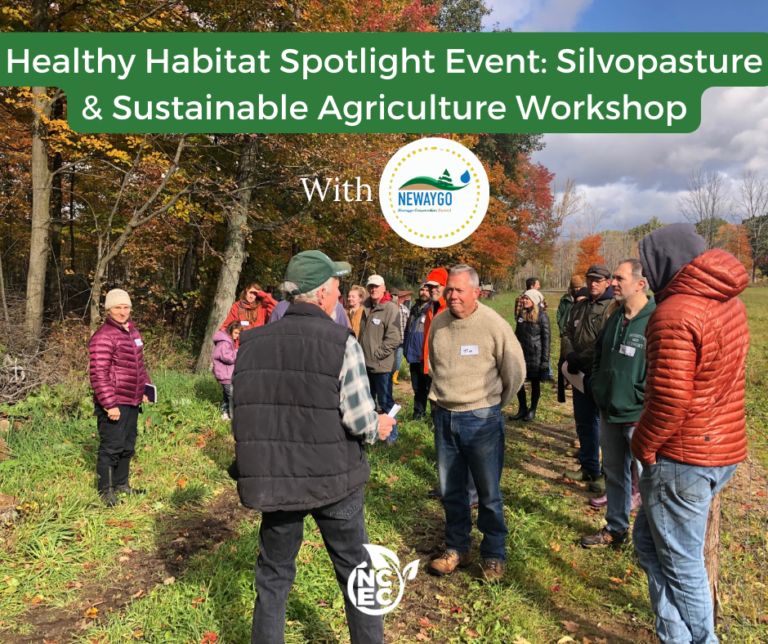
The West Michigan Agroforestry Partnership and the Newaygo Conservation District are hosting a sustainable agriculture event at Earthscape Farm on Thursday, August 17. The program will be from 4:30pm – 7:30pm at Bill’s farm, just down the road from Kropscott – 4220 E. Loop Road, Hesperia MI. Free BBQ and refreshments will be served. Space is limited and registration is required. To register, go to www.westmichiganagroforestry.com, scroll down to Agroforestry Field Series and click on Register Here.
Earthscape Farm has been owned and run by Bill and Patrice Bobier since the 1970’s. This “in the Field” workshop will rely on Bill’s decades of organic farming experience, and will provide information, demonstration and guidance on “silvopasture” systems from their establishment through their ongoing management. Silvopasture is a term that describes trees, pasture and livestock integrated and managed as a singular, healthy and sustainable system.
“The ideas connected to it have been recirculated several times over the years”, states Mr. Bobier. “Now with the rapidly changing climate they are being repopularized.”
Tanner Fowler, Technician from the Newaygo Conservation District, will be on hand to provide an “Introduction to the MAEAP Program”. Phase 1 Education Credits will be available to eligible attendees who come to this program. The Michigan Agriculture Environmental Assurance Program is a proactive program that helps farms minimize agricultural and environmental pollution risks.
The MAEAP Program is a three phase program: Education, On Farm Risk Assessment, and Third Party Verification. Once a farm has completed all three phases, they are eligible for a sign to be placed on their property recognizing the owner’s achievements and their outstanding environmental stewardship.
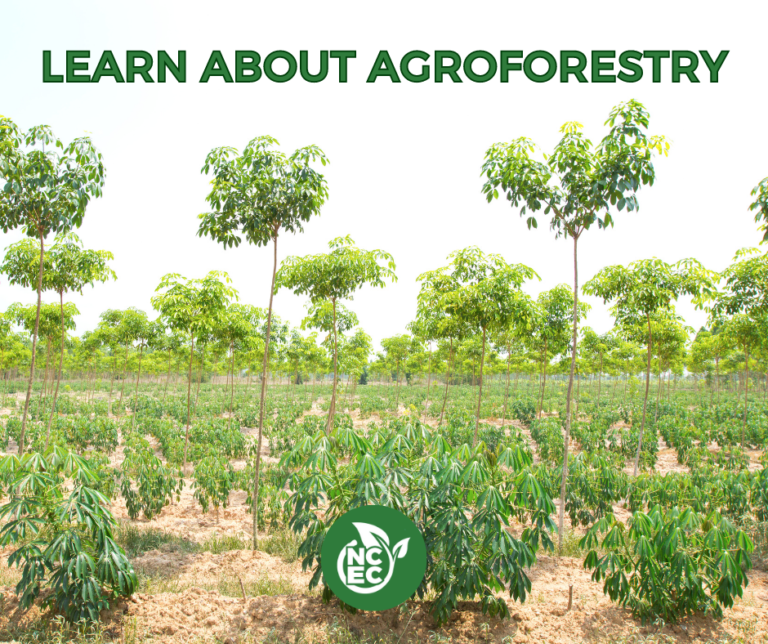
West Michigan Agroforestry Partnership (WMAP) promotes regenerative agroforestry systems in West Michigan. Agroforestry is the integration of trees & shrubs with crop and animal production systems. Silvopasture is one of the 5 types of USDA recognized Agroforestry Systems, which also include Alley Cropping, Forest Farming, Riparian Buffers and Wind Breaks.
“We have begun developing our first Agroforestry demonstration site at the Newaygo Conservation District’s Kropscott Environmental Farm north of Fremont”, states Nate. “This site is our home base for technical training & education programs, serving as a regional model for Agroforestry systems.”
The August 17 BBQ and Workshop will include information on establishing pastures, pasture nutrient management, pest management without the use of herbicides and pesticides, rotational grazing, managing heavy-use areas (such as watering or wintering areas to control erosion and nutrient build-up), livestock exclusion (to protect surface water), management of livestock paddocks or lots, and manure management. This is the definitive “how to” workshop on establishing successful systems for rotational grazing and silvopasture systems.
“This workshop is for anyone who has an interest in agricultural and environmental sustainability,” added Nate Ayers. “We hope to create a network of local growers, crop and livestock farmers, and even home gardeners so we can share information, resources, and support one another in creating healthy farm and home environments.”
For more information, visit: www.westmichiganagroforestry.com.
Connected Resources: