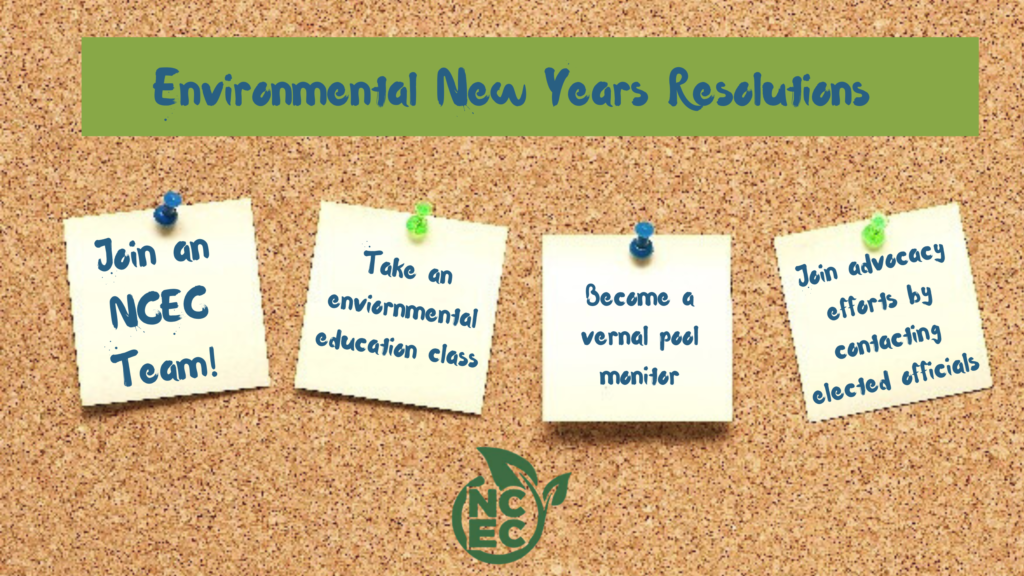
The Dreaded New Year's Resolution

Here it is again, the yearly resolution ritual. It begins by making an inventory of the ways we believe we fell short of our self proclaimed goals the previous year.  Next, we formulate our intent to improve. To keep ourselves honest, we publicly proclaim our resolution. After one to two weeks of firm resolve…we backslide a bit. Eventually we completely abandon our goal.  Why do we do that? Perhaps it’s because our resolutions often focus on sacrifice or discomfort.  “I vow to lose weight”  translates to eat less, sweat more. “I will save more money” becomes don’t buy that new outfit, or no concert tickets this year.


The same is true when we look to environmental resolutions. Reducing our carbon footprint can mean traveling less, eating less beef, buying less stuff. Sacrificing convenience, comfort or happiness can lead us to feel negatively about our resolutions and we eventually abandon them.  But behavioral scientist Jiaying Zhao finds that we can best form lasting habits when we find happiness in our actions.   She collaborated with Elizabeth Dunn to create an approach that leads to more satisfying resolutions. Their strategy embraces actions that lead to happiness matched with actions that meet our goal.  In their case, substantially reducing greenhouse gas emissions.  The combination led to the Happy Climate Approach. You can hear her describe this endeavor in her TED talk:

Using this approach we can examine the ways a resolution to “engage more with our environment” can bring us happiness. Beginning at home, reusing a plastic gallon milk jug can bring great joy and reward through the year.  That is when you reuse that jug to plant native seeds this winter.  Come spring you will have lovely native plants to enrich your own yard, for free (I might add).  Join NC-EC on Jan 11th for a workshop that will teach you how. Another home based environmentally positive action is reducing the thermostat setting. But how do you make that fun?  Here’s the ingredients to creating joy in a cool house.  Blanket, loved one and a warm drink…


Moving outside of our home, we can engage with the environment by simply taking a walk.  Add a dog and you have happiness.  If your dog is like ours, she loves the outdoors and her joy is infectious.  To take it further, the dog and I pick up trash on our hikes.  That action even has an official name, “plalking” (look it up here.) And it just gets better.  You can continue this positive activity by taking a walk at many of the Newaygo County area nature preserves and parks.  NC-EC engages with various local allies supporting those natural interfaces, like the Newaygo Conservation District, North Country Trail Association, Michigan Nature Association and many more.

Now that you found happiness hiking in the great outdoors, you can add to that delight by directly acting to improve the nature around you.  Join in the effort to reclaim our native habitats from invasive species that are threatening native health.  I, for one, get great joy removing autumn olives and bush honeysuckles.  I also enjoyed meeting others who share my joy at local work days for ally organizations in West Michigan.  If hacking thorny shrubs isn’t your cup of tea, try picking autumn olive berries in the fall and making jelly.  It’s really quite good and think of all the seeds that you prevented from germinating.  Or you could  simply write a check to your favorite environmental group.  You can go here to donate to NCEC or take a look at our list of allies for more opportunities to share the joy.


As you contemplate these individual actions I invite you to read Jiaying Zhao’s words regarding their impact:

"I know that some of you may think that individual actions may seem trivial without large scale system change. I get that. But let me tell you how I think about this as a behavioral change expert. Our individual actions do matter because they embody our values and our care for the planet to other people. They can spread like a ripple effect to instigate collective action. They send a market signal to businesses and they can trigger broader structural institutional change. So yes, we do need system change, but we also need individual behavior change. Don't let anyone tell you otherwise."

Now that makes me even happier.

Connected Resources:

Leave a Reply

Your email address will not be published. Required fields are marked *

Get In touch

Birds eye view of green forest meeting blue lake background. White NCEC logo and font.

(231) 519-3419

Address: 490 Quarterline St, Newaygo, MI 49337

Email buzz@nc-ec.org

More Posts:

Have a Fire-Safe Summer

“But surely a few logs of my firewood from home won’t hurt anything if I take them camping with me!!! I don’t want to buy firewood when I already have a bunch!”

It’s easy to overlook the creatures we don’t see very often. But lots of little critters feed on and live in dead wood and not just rotting wood, even dry firewood! The culprits of deadly Oak Wilt, the Emerald Ash Borer, and the invasive Asian Longhorned Beetle are just some of the critters known to hitch a ride on firewood.

Read More »

Plant THIS Not THAT

Spring is the time when we rethink our whole existing gardens. The more we understand how much wildlife, including our essential pollinators, struggle with traditional constrained lawn and manicured gardens full of exotic plants, the more we might be motivated to change things up a bit!

Read More »

Planting for Pollinators: A Conversation with Sarah Pregitzer

In preparation for the upcoming growing season, we interviewed NCEC board chair and Master Naturalist Sarah Pregitzer, who has a wealth of knowledge to offer about the role of pollinators in our ecosystem as well as easy ways to get started with planting for pollinators in your yard or in the community.

Read More »